It’s been almost a year since I started this blog, and as the year rolls to a close, I’ve been looking back over what worked, what didn’t and what resonated with you, NW Edible’s readers. It turns out that mostly what resonates with you are posts with swearing. I infer from this that we’re all going to continue to get along just fine.
For those of you who are new to the blog, or who aren’t daily readers, or who just want to walk down the Reader’s Digest version of memory lane with me, I’ve put together a month-by-month list of my personal favorite posts of 2011, plus posts that were the most popular with readers, and ones I think are particularly useful. It’s like Cliff’s Notes, but for gardeners. Gardeners who swear.
January
my fave: Audrey the Rhubarb Monster
most read: Fruit Tree Grafting Class at Sky Nursery
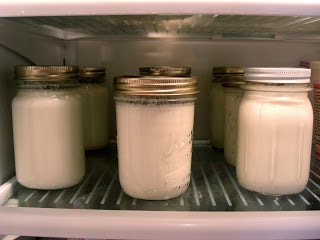
best practical: Yogurt Making: How To Add Some Culture To Your Day

February
my fave: An Open Letter To The Dervaes (Good stuff by Homebrew Husband.)
most read: Don’t Be An Urban Homesteader Asshole (This is the most popular post on NW Edible by a factor of eight. It was the first post I really “promoted” on my own Facebook page, and somehow CNN’s food blog picked it up. It was also written and published before the Dervaes trademark fiasco, and was never intended as commentary on that particular issue. But, hey, if the shoe fits…)
best practical: Seed Starting 101: A Step-By-Step Visual Guide To Growing Seedlings At Home

March
my fave: Lessons From Plants And Children
most read: Why The Hell Do I Put Myself Through This?
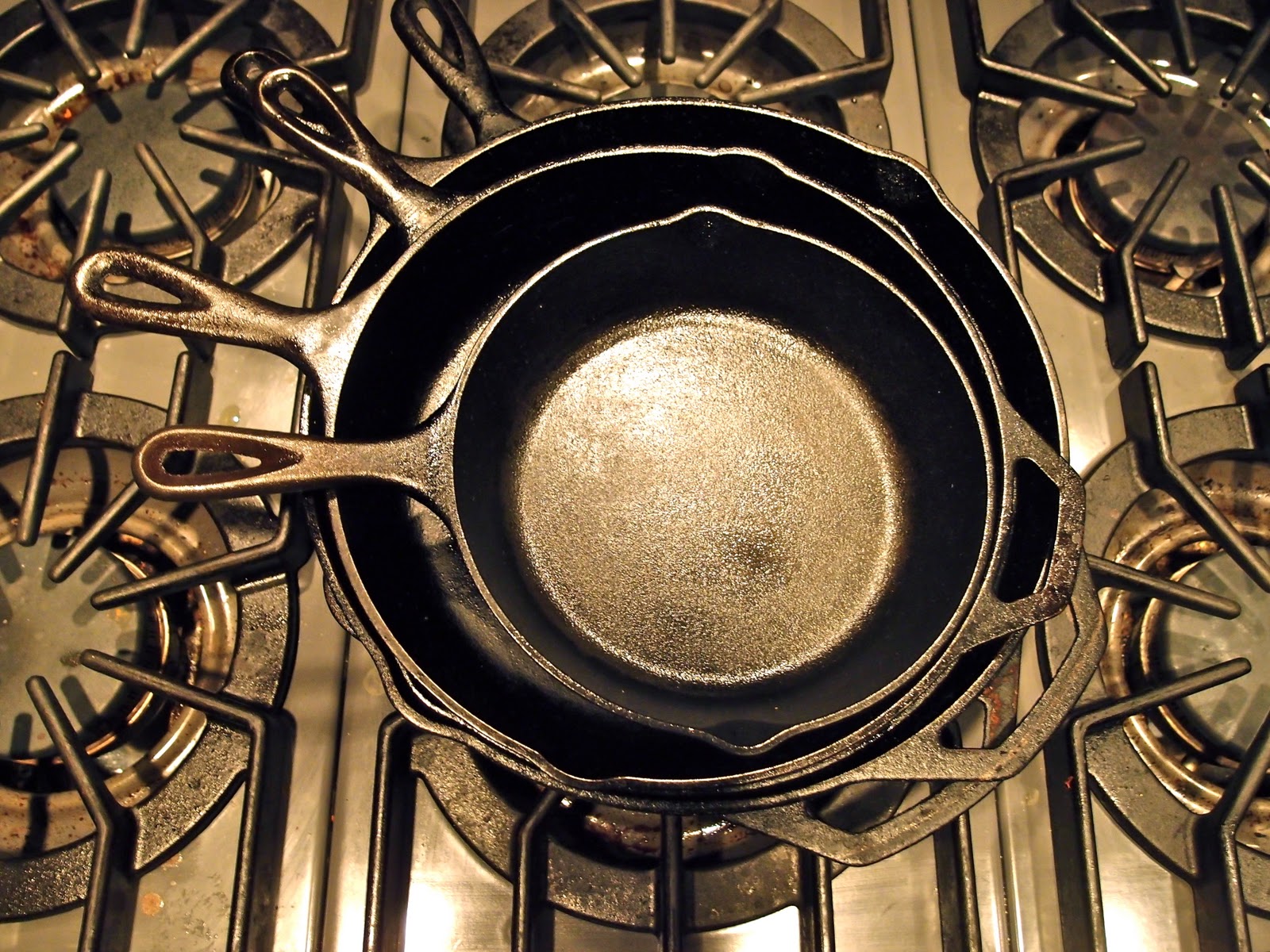
best practical: Is It Cookware, Or Is It A Blunt Object? Re-Seasoning Cast Iron (If the question is, “what pan should I use” the answer is almost always, “cast iron.”)
April
my fave: She Said: Pushing Tin – 10 Years Of Projects & He Said: Pushing Tin – 10 Years Of Projects (Ten years of marriage to Homebrew Husband, from a he said/ she said perspective.)
most read: Yuppie-Hippie Artifice
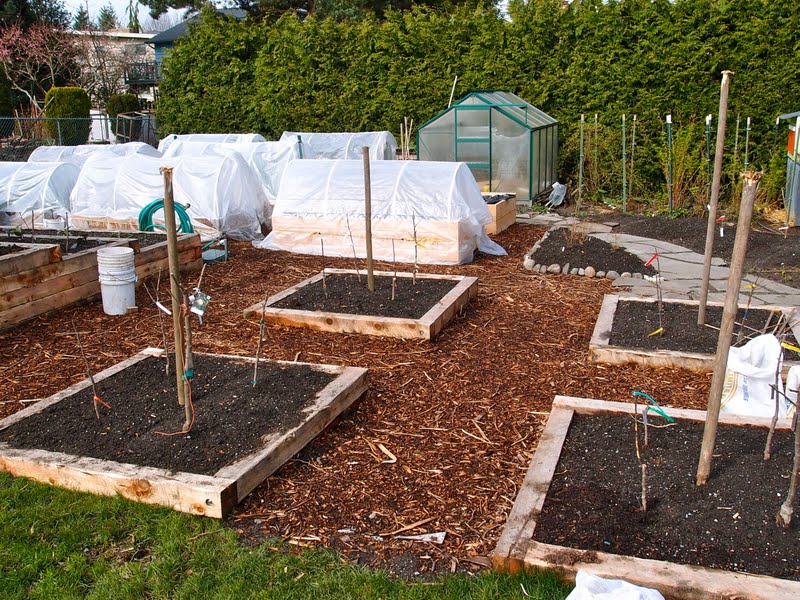
best practical: Backyard Orchard Culture: Designing Fruit Tree Quartets (More on Backyard Orchard Culture in 2012, including pruning!)
May
my fave: Even Urban Homesteaders Get The Blues (A mental breakdown is a terrible thing to waste.)
most read: The Addictive Power Of Pork Fat (Working on a follow-up post for 2012 on beef tallow.)
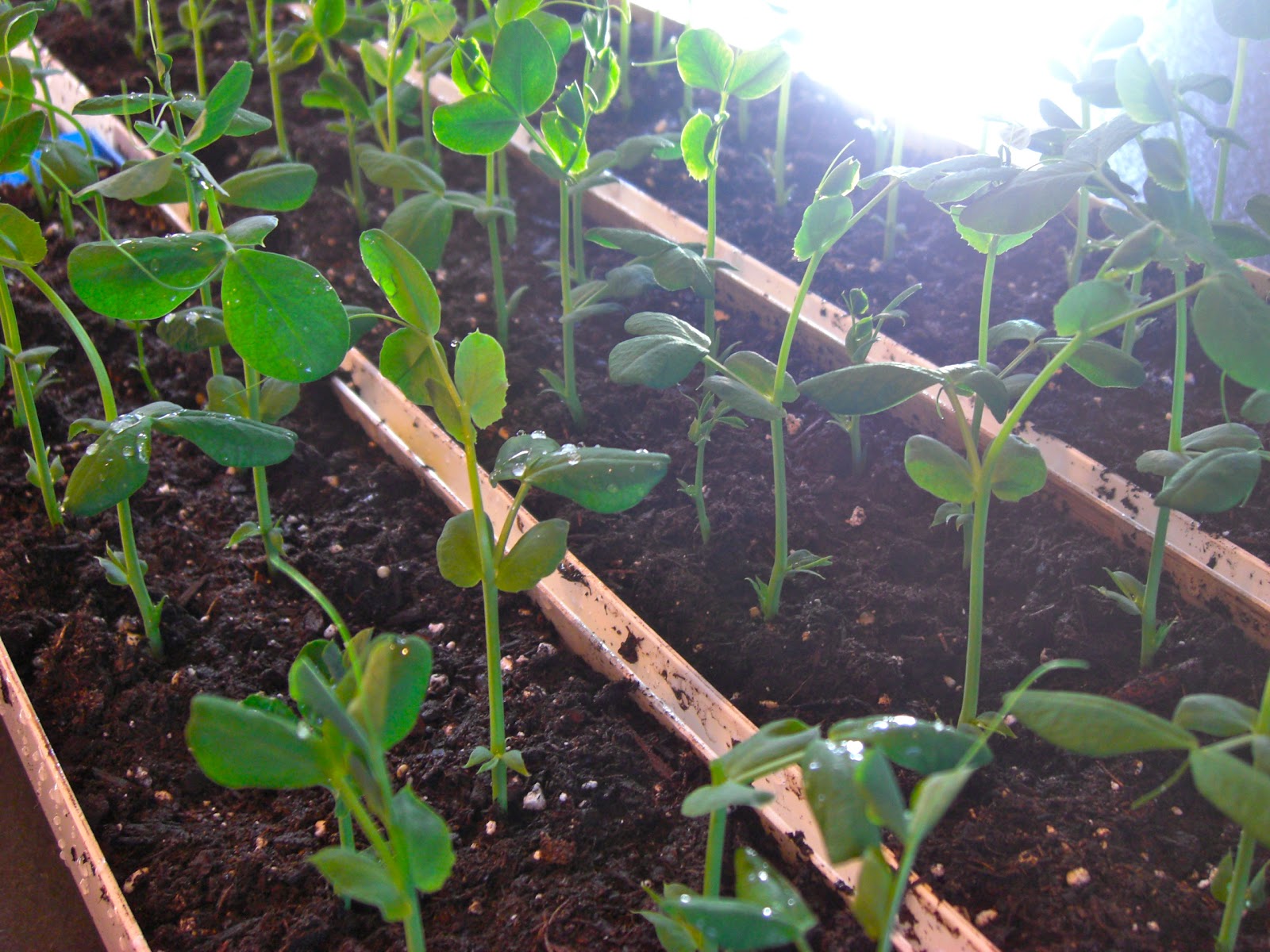
best practical: Sowing Peas in Guttering: Wherein I Grudgingly Admit This Technique Rocks
June
my fave: Fear And Sowing In Suburbia (I am deeply proud of this piece, and not just for the Lord of the Rings reference. It has relatively few page-views but a high proportion of comments. I hope that means it resonates with readers.)
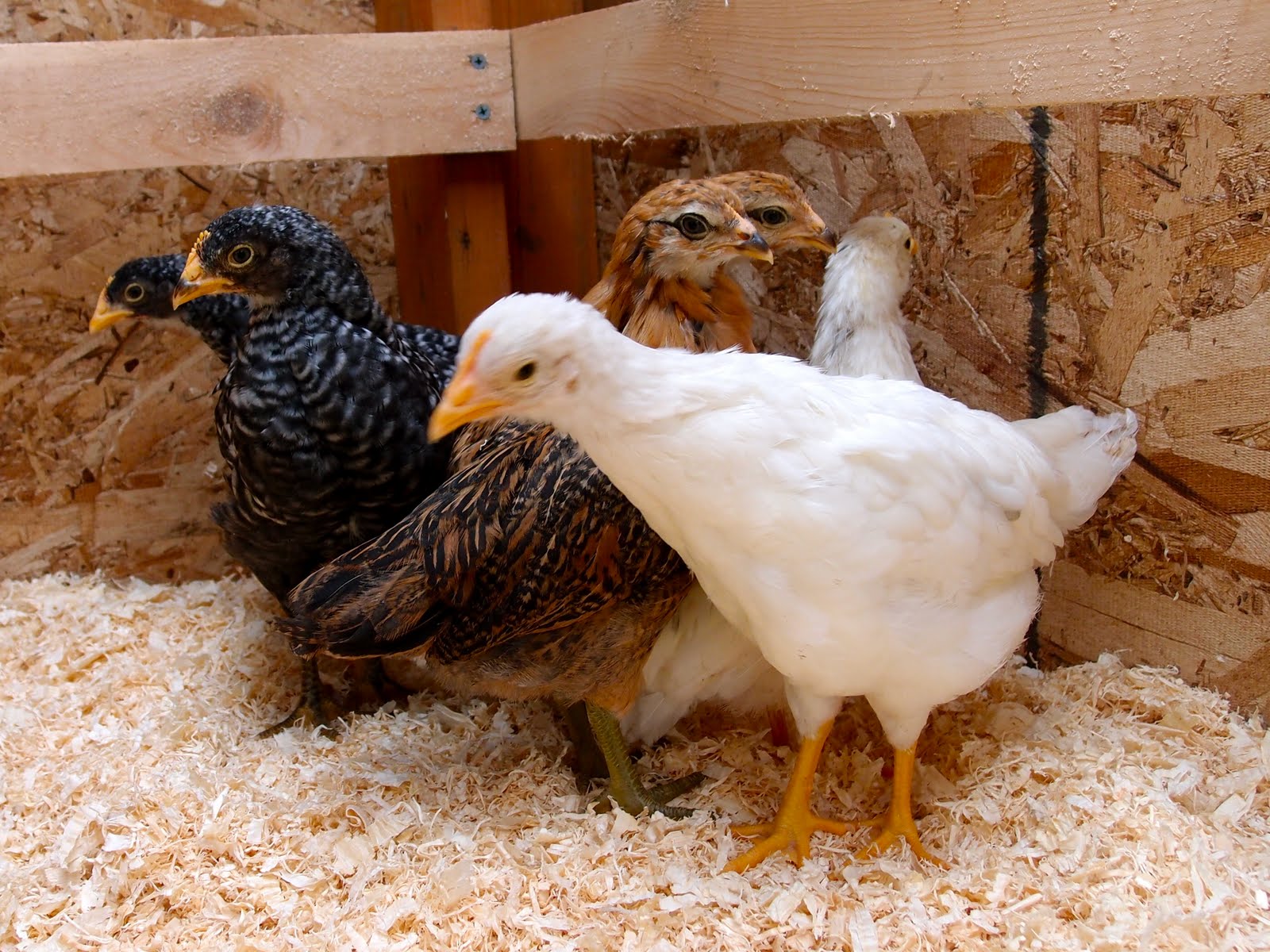
most read: The Chicken Coop Is Done…Enough
best practical: Just What The Internet Doesn’t Knead
Part Two, July – December, is tomorrow, cause this list was a-gettin’ long. In the meantime, what do you think? Did I miss any of your favorite posts?
0
I don't know that I can pick one, or two, or any 'favorite' posts. I like all of them for different reasons.
Maybe this post qualifies, along with the second half forthcoming, as they call to mind ones that have escaped it.
PS: I also like that you have the 'cajones' to occasionally type swear words and not go back and edit them out. Sometimes, they just do the job at hand.
Happy Pre-New Year!
Lady Banksia
wow, as a relative newcomer to your blog I did not realise that you'd only been going for a year. I have just opened half those links to read now, only time prevents me reading the whole thing from start to finish. You have done really well to have so many readers in this short time, that must mean that you have something important to say. I look forward to part 2 and to continuing practical and interesting posts in 2012.
Lady Banksia – thanks so much, and happy new year to you, too! 🙂 I
Farmer Liz – welcome, and thanks for reading!
Great list! I can't wait for part II! And keep on swearing and keepin' it real!
Meg – thanks, you know I will!
Wow, only a year, are you sure? I thought you were a long time blogger!!
Dixiebelle – yup! I'm just a baby blogger! 🙂
Love the list. Spot on.
Thanks Anisa!
Erica, I'm new to your blog and I can't wait to read everything from your past year. I'm a home gardener in Salem, OR and work as a part time urban farmer at a local sustainable living community. I've heard your interview on Steve Howard's podcast and added your blog to my arsenal of "what the hech am I doing?". Happy 2012!
Thanks for reading , Nicole!